

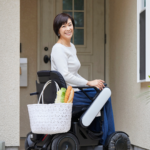
 Accidents can change lives in an instant, often making everyday tasks more difficult. If you or a loved one is struggling with mobility after an injury, occupational therapy (OT) and home modifications can be life-changing. These interventions help individuals regain independence, improve safety, and enhance overall quality of life. Let’s explore how.
***
The Role of Occupational Therapy in Recovery
Occupational therapists specialize in helping individuals perform daily activities despite physical or cognitive limitations. After an accident, OT can assist in various ways:
Functional Rehabilitation
OT helps individuals relearn daily tasks like dressing, bathing, cooking, and grooming by adapting techniques to suit their new capabilities. The goal is to help patients maintain as much independence as possible.
Assistive Devices & Training
Many tools and devices can make daily activities easier. Occupational therapists introduce and train patients on using items such as:
- Walkers, canes, and wheelchairs
- Reachers and grabbers for picking up objects
- Adaptive clothing and dressing aids
Pain Management & Injury Prevention
By teaching proper body mechanics, joint protection techniques, and energy conservation strategies, OT helps reduce strain on injured areas and minimize pain.
Cognitive & Emotional Support
If an accident results in a brain injury or cognitive impairment, OT can help improve memory, problem-solving, and emotional well-being. Therapists also provide coping strategies for dealing with new limitations.
Work & Social Reintegration
For those who can no longer perform their previous job, OT can assist in identifying alternative work, suggesting job modifications, or finding new ways to engage in social activities.
How Home Modifications Improve Safety and Accessibility
Along with therapy, modifying the home environment can make daily life safer and more manageable. Some key home modifications include:
Enhancing Mobility & Accessibility
- Installing ramps and stair lifts for easier movement between floors
- Widening doorways to accommodate wheelchairs or walkers
- Lowering light switches and countertops for accessibility
Improving Bathroom Safety
- Installing grab bars near the toilet and shower
- Adding a shower chair or a roll-in shower for easier bathing
- Using raised toilet seats to reduce the need for bending
Adapting the Kitchen for Independence
- Installing pull-down shelves and easy-to-reach storage
- Using one-handed or easy-grip utensils
- Adjusting countertops and appliances to a convenient height
Bedroom Modifications
- Adding adjustable beds or bed rails for easier transfers
- Using bedside commodes if needed
- Placing nightlights or motion-sensor lighting for nighttime safety
Smart Home Technology
- Voice-activated controls for lighting, temperature, and doors
- Automated medication reminders
- Security systems with remote access for caregivers
A Holistic Approach to Recovery
Recovering from an accident isn’t just about physical healing—it’s about regaining control over your life. By combining occupational therapy with strategic home modifications, individuals can maintain their independence, reduce the risk of further injury, and improve their overall well-being.
If you or a loved one is adjusting to life after an injury, consider working with an occupational therapist and exploring home modifications to create a safer, more accessible environment. Taking these steps can make all the difference in leading a fulfilling and independent life after an accident.
***
If you need an Occupational Therapist or Home Modifications after an accident in Las Vegas or Henderson Nevada, contact Multigenerational Home Mods.